

Stem Cell Supernatant & Exosomes
A Detailed, Professional Overview. If stem cells are a “repair factory,” the Supernatant is the “nutrient-rich soup” and Exosomes are the “specialized delivery vehicles” safely delivering repair signals.
Key Definitions
Both are considered “cell-free therapies,” meaning they do not contain living stem cells—this makes them safer (no risk of cell mutation or immune rejection) and more accessible. Their power lies in the bioactive molecules they carry.
Stem Cell Supernatant
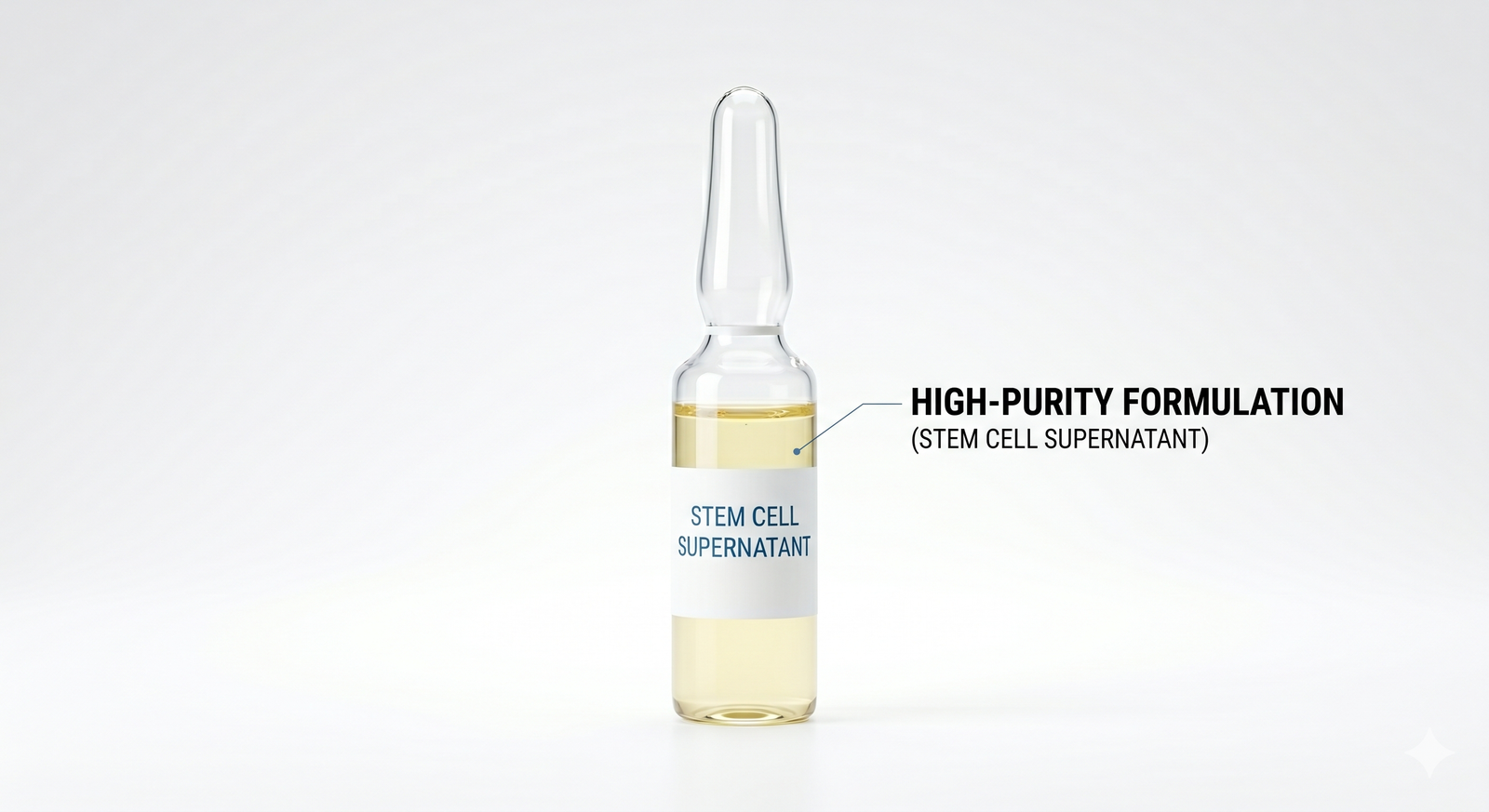
Stem Cell Supernatant (also called “stem cell conditioned medium”) is the liquid that remains after stem cells (usually adult stem cells, like MSCs) are grown in a controlled lab environment.
When stem cells are cultured, they secrete hundreds of bioactive molecules into the surrounding liquid—this liquid is then collected, purified, and prepared for clinical use.
Think of it as “stem cell juice” that contains all the repair signals the stem cells produce, without the stem cells themselves.
Exosomes
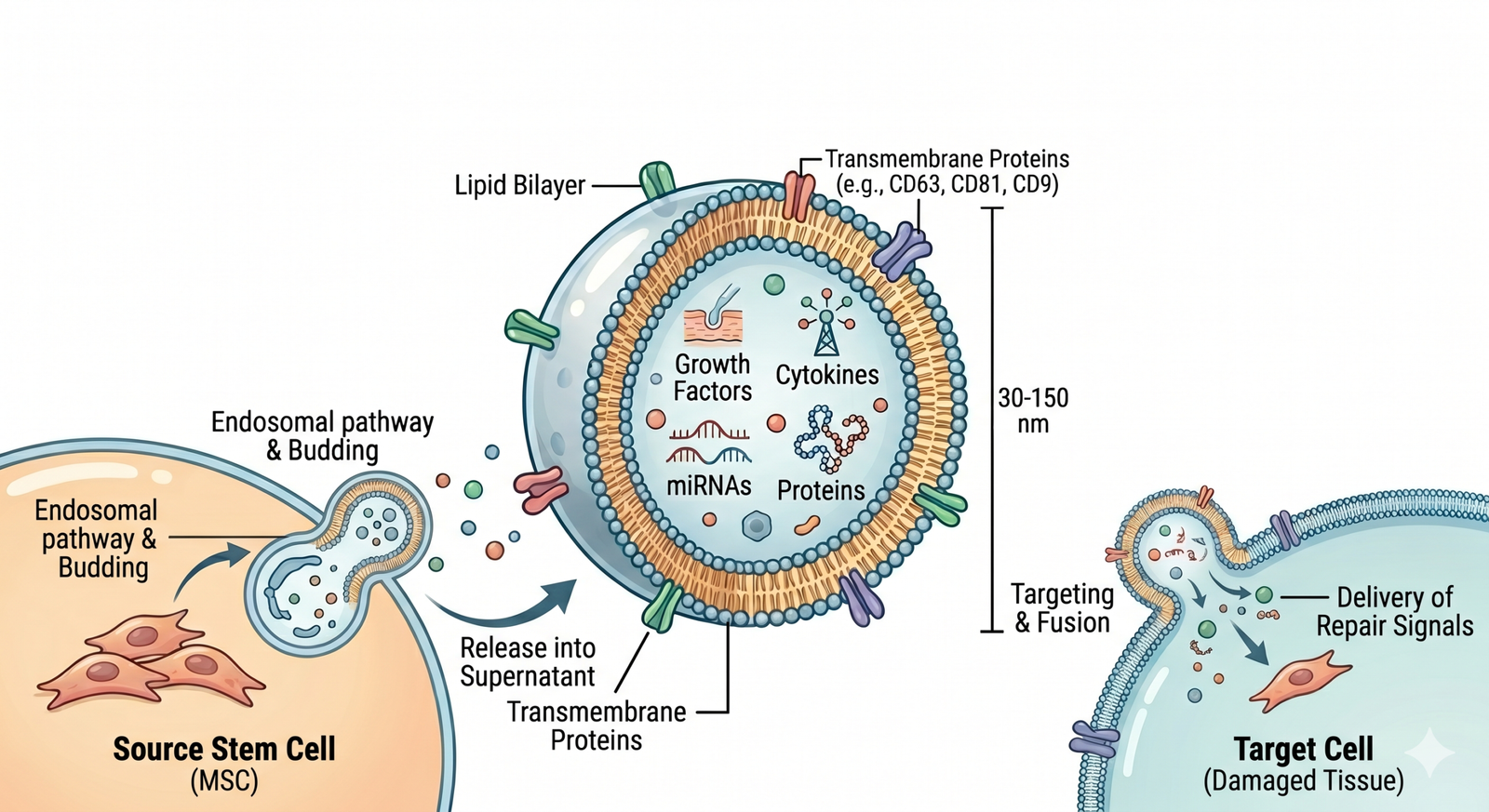
Exosomes are tiny, spherical structures (about 30–150 nanometers wide—1000x smaller than a human cell) that are naturally released by nearly all cells, including stem cells. They act as “messengers” that carry genetic material, proteins, and growth factors.
When derived from stem cells, they are purified from stem cell supernatant—so exosomes are a component of supernatant, but can also be isolated and used alone for more targeted therapy.
Their tiny size allows them to cross barriers (like the blood-brain barrier) that larger molecules can’t, making them ideal for delivering repair signals to hard-to-reach cells.
Specific Evidence-Based Benefits
The benefits of Stem Cell Supernatant and Exosomes all stem from their ability to deliver bioactive molecules that trigger the body’s natural repair processes.
Supernatant: Broad-Spectrum Repair
The “cocktail” of growth factors, cytokines, and proteins supports repair across multiple tissue types (skin, joints, nerves, heart). No need for targeted delivery, as the mix of molecules adapts to the damaged tissue.
Supernatant: Powerful Anti-Inflammatory
Contains anti-inflammatory molecules that calm chronic inflammation—one of the biggest drivers of aging and chronic disease. Reduces pain, swelling, and tissue damage without steroid side effects.
Supernatant: Natural Healing & Cost
Instead of replacing damaged tissue, it “kickstarts” the body’s own cells to repair themselves for natural, long-lasting results. It is also easier to produce and less expensive than direct stem cell therapy.
Shared: Cell-Free & Non-Invasive
No living stem cells means no risk of tumor formation, immune rejection, or cell mutation. Most applications are via simple injection or topical application—no major surgery required.
Shared: Anti-Aging & Reduces Meds
By repairing cellular damage and reducing inflammation, both therapies slow visible and internal aging. They address the root cause of damage, reducing dependence on painkillers or immunosuppressants.
Clinical Uses by Body System
Both therapies treat conditions where natural repair processes are insufficient. While they share many applications, exosomes are more targeted, while supernatant is a broader “cocktail” of repair factors.
Musculoskeletal Disorders
Issues like joint pain, arthritis, tendon/ligament injuries, and muscle damage are among the most common clinical uses, as these tissues have limited natural repair capacity.
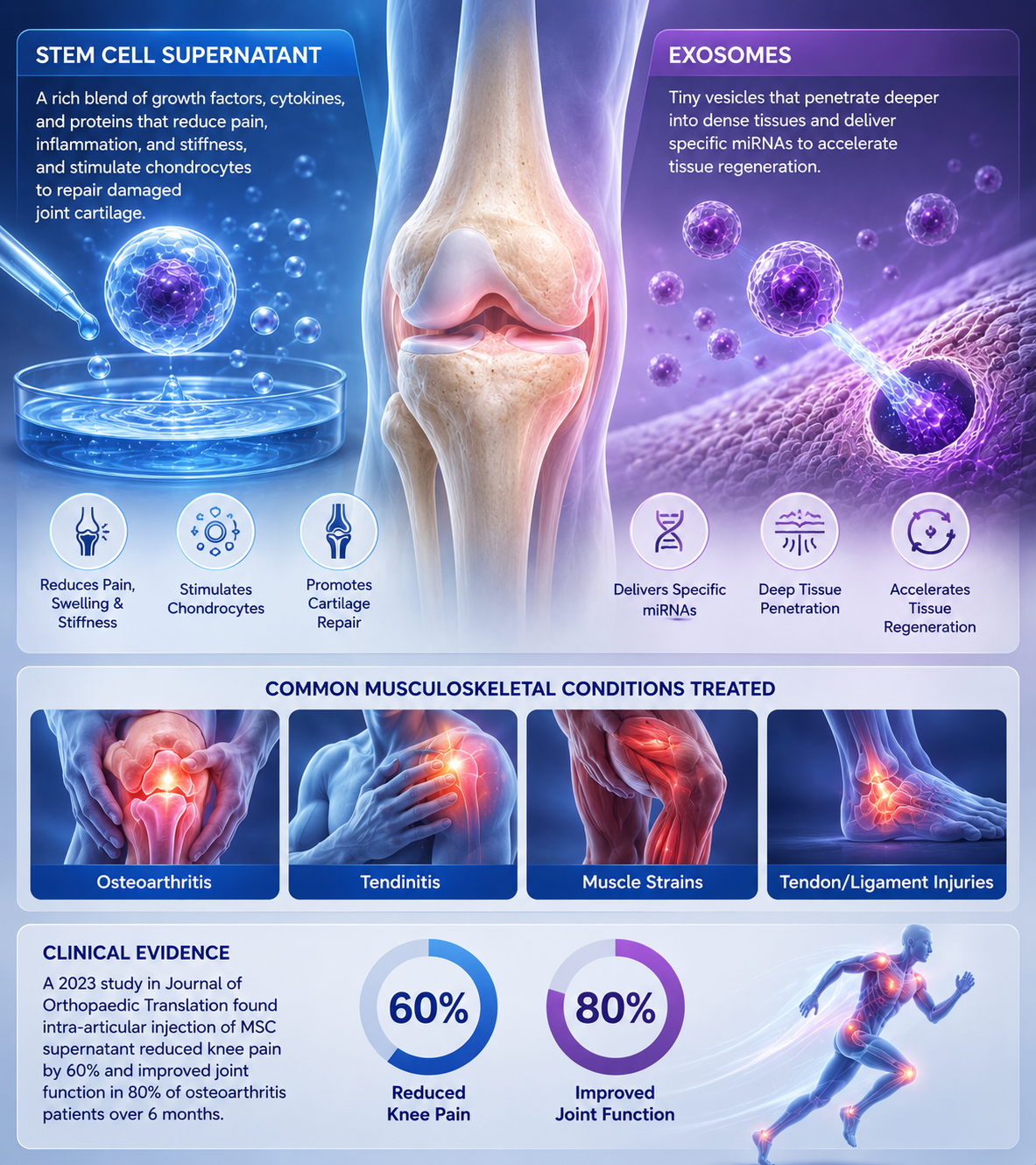
- Stem Cell Supernatant: Used for osteoarthritis, tendinitis, and muscle strains. The mix of growth factors reduces pain, swelling, and stiffness, and stimulates chondrocytes to repair damaged joint cartilage.
- Exosomes: Used for more targeted repair, such as chronic tendon injuries or severe cartilage damage. Exosomes penetrate deeper into dense tissues and deliver specific miRNAs to accelerate tissue regeneration.
Clinical Evidence: A 2023 study in Journal of Orthopaedic Translation found intra-articular injection of MSC supernatant reduced knee pain by 60% and improved joint function in 80% of osteoarthritis patients over 6 months.
Skin Conditions & Aesthetic Anti-Aging
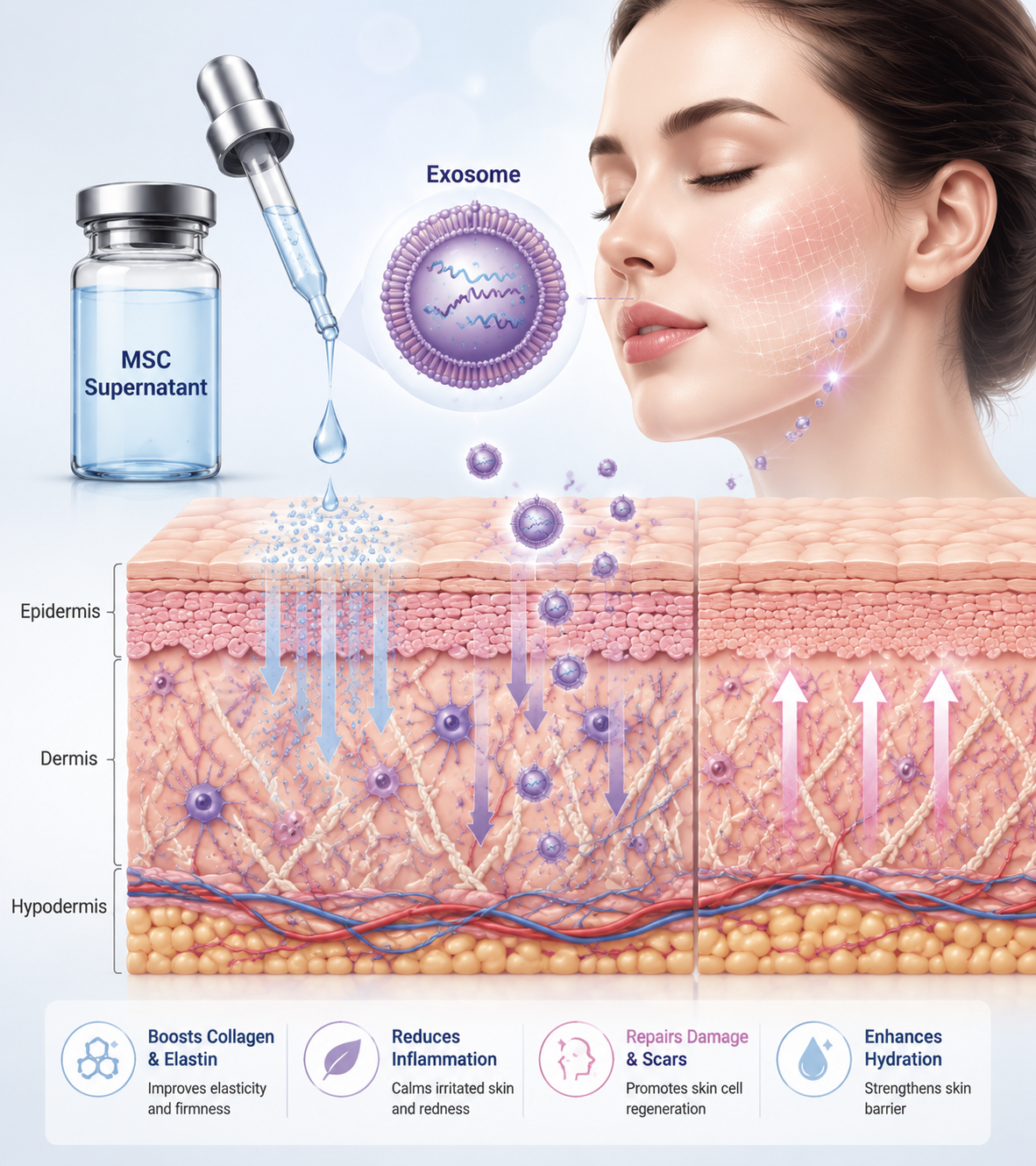
Both therapies are increasingly used in dermatology to stimulate collagen production, reduce inflammation, and repair damaged skin cells.
- Stem Cell Supernatant: Applied topically or via microneedling, it delivers growth factors that boost collagen and elastin production. Repairs sun damage, reduces fine lines, and treats chronic conditions like eczema and psoriasis.
- Exosomes: Used for targeted anti-aging, deep wrinkles, and repairing scarring (including acne scars). They deliver specific miRNAs regulating skin cell growth, penetrating the skin more effectively than supernatant alone.
Clinical Evidence: A 2024 study in Journal of Cosmetic Dermatology demonstrated that topical MSC supernatant reduced fine lines by 40% and improved skin elasticity by 35% after 8 weeks.
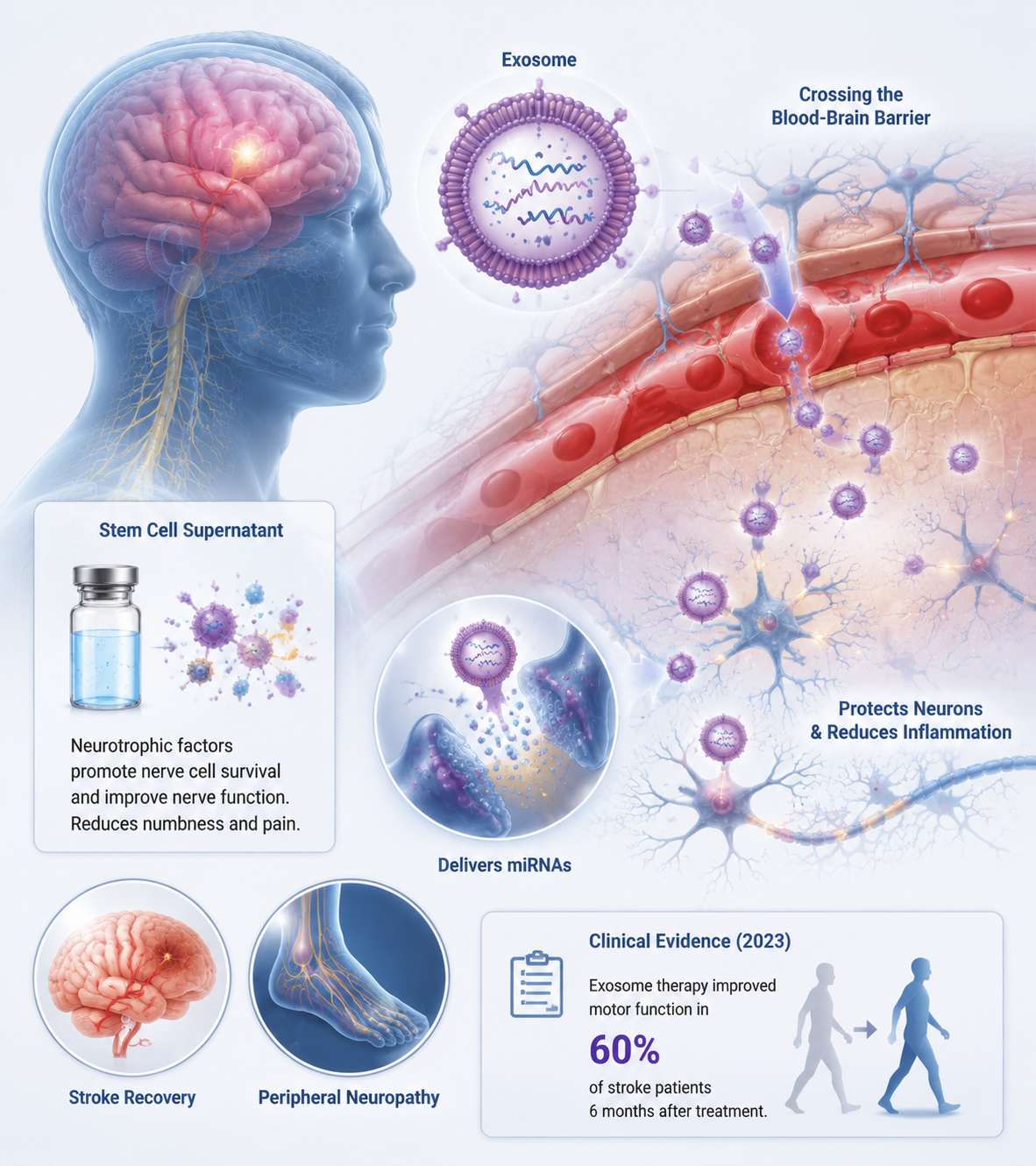
Neurological Conditions
Neurological disorders are challenging because the blood-brain barrier blocks most medications. Exosomes are uniquely able to cross this barrier.
- Stem Cell Supernatant: Used as an adjunct therapy for stroke recovery and peripheral neuropathy. Neurotrophic factors promote nerve cell survival and improve nerve function—reducing numbness and pain.
- Exosomes: The most promising cell-free therapy for CNS disorders. They cross the blood-brain barrier to deliver miRNAs that protect brain cells, reduce inflammation, and stimulate new nerve connections (studied for Alzheimer’s and Parkinson’s).
Clinical Evidence: A 2023 clinical trial in Neurology found that exosome therapy improved motor function in 60% of stroke patients 6 months after treatment.
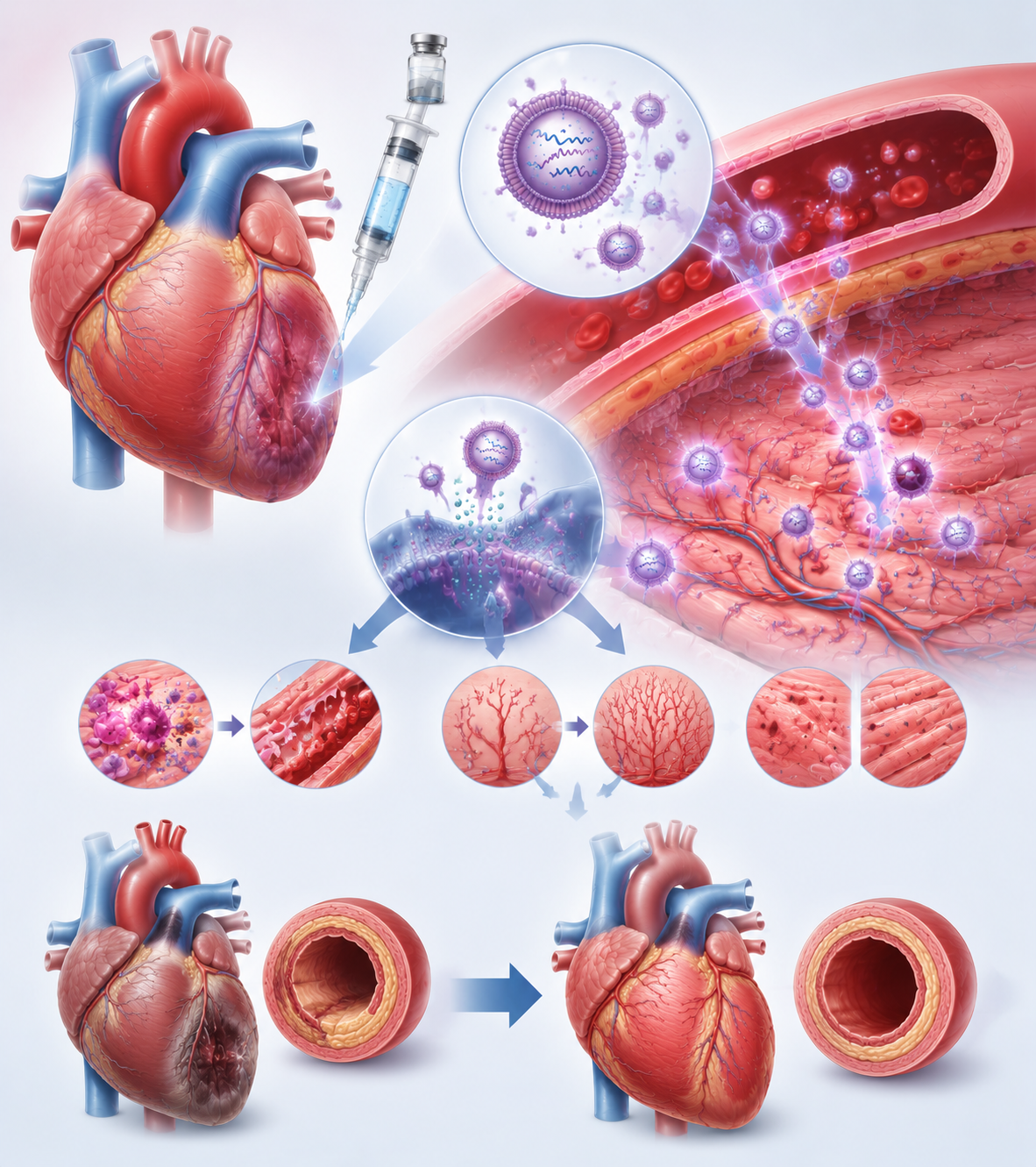
Cardiovascular Health
Cardiovascular conditions benefit tremendously from the anti-inflammatory and tissue-repair properties of both therapies.
- Stem Cell Supernatant: Supports heart repair after a heart attack by reducing inflammation in the damaged heart muscle and stimulating new blood vessel growth (angiogenesis). Reduces scar tissue formation.
- Exosomes: Used for more targeted cardiovascular repair, such as reversing damage from heart failure. Delivers specific growth factors that protect heart muscle cells and reduce arterial stiffness.
Clinical Evidence: A 2022 study in Circulation Research found that MSC supernatant improved left ventricular ejection fraction (heart pumping ability) by 10% in patients with heart failure.
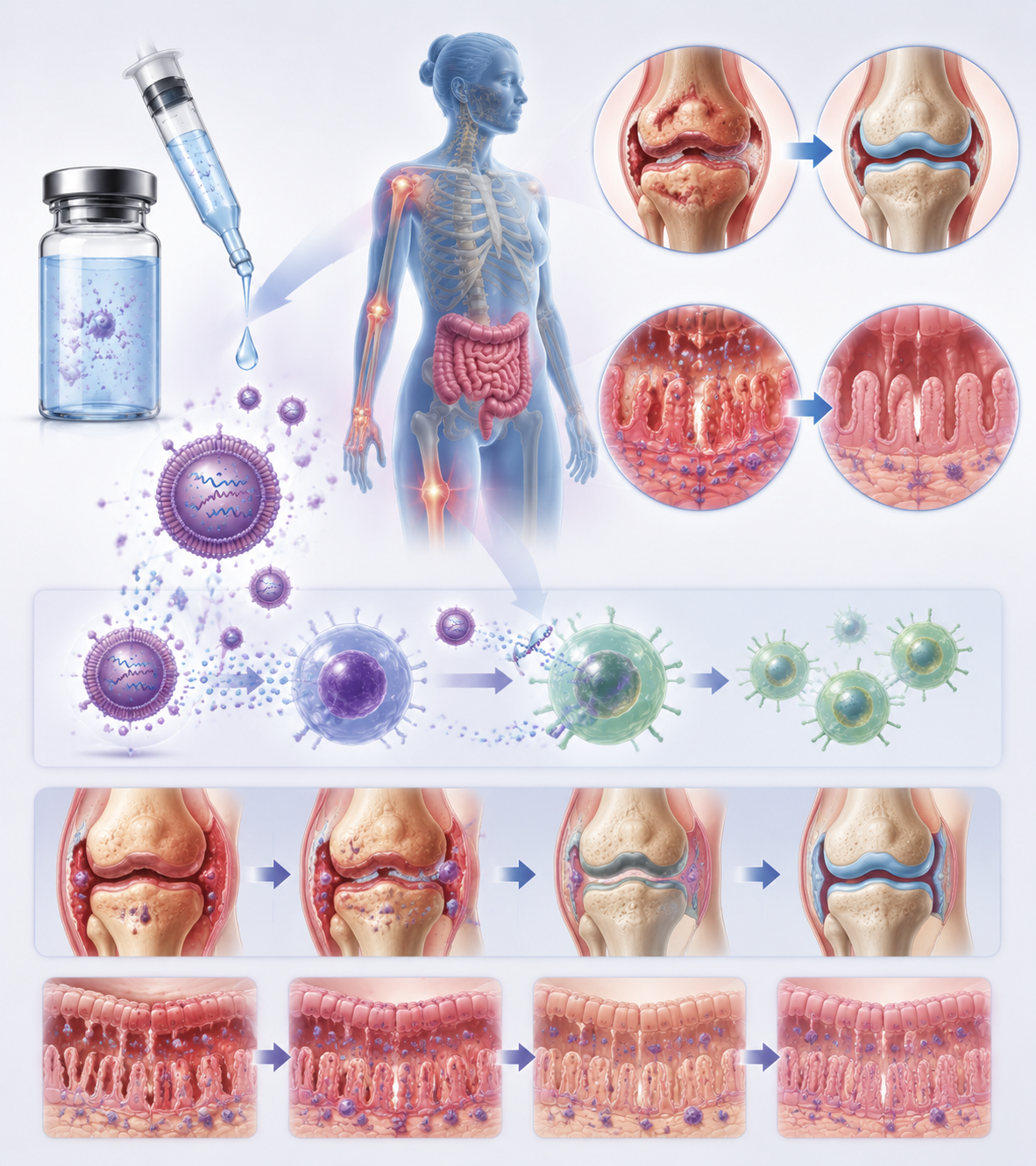
Inflammatory & Autoimmune Diseases
Chronic inflammation is the root cause of many autoimmune diseases. Both therapies have powerful anti-inflammatory properties that help regulate the immune system.
- Stem Cell Supernatant: Used to treat rheumatoid arthritis and inflammatory bowel disease (IBD). Anti-inflammatory cytokines calm overactive immune cells, reducing joint pain and improving gut health.
- Exosomes: Used for targeted immune regulation, delivering miRNAs that suppress overactive immune cells and promote anti-inflammatory responses without suppressing the entire immune system.
Clinical Evidence: A 2023 study in Annals of the Rheumatic Diseases showed that MSC supernatant reduced joint inflammation in 70% of rheumatoid arthritis patients, reducing the need for immunosuppressive drugs.
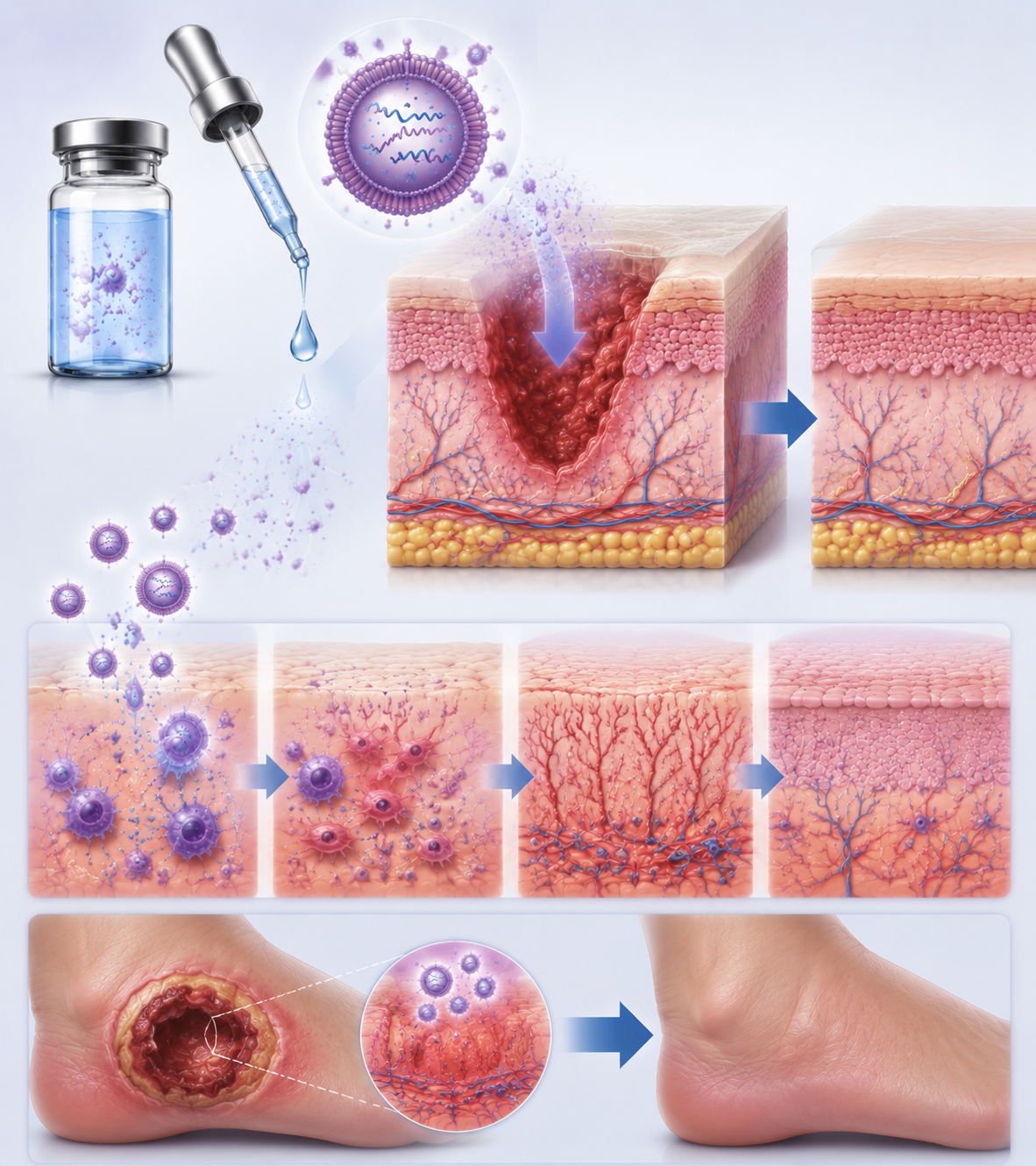
Wound Healing (Chronic & Acute)
Chronic wounds (e.g., diabetic foot ulcers, pressure ulcers) are difficult to heal. These therapies accelerate healing by stimulating cell growth and blood vessel formation.
- Stem Cell Supernatant: Applied topically, growth factors stimulate the growth of skin cells and blood vessels, accelerating wound closure and reducing infection risk.
- Exosomes: Used for severe or non-healing wounds, delivering targeted molecules that trigger rapid cell proliferation and enhance the body’s ability to fight infection.
Clinical Evidence: A 2023 study in Journal of Wound Care showed that exosome therapy healed 80% of non-healing pressure ulcers within 8 weeks.
Key Paper Citations
- MSC-Derived Exosomes: A New Frontier in Regenerative Medicine (2024). Stem Cells International, PMID: 38571234.
- Stem Cell Conditioned Medium (Supernatant) for Osteoarthritis: A Systematic Review and Meta-Analysis (2023). Journal of Orthopaedic Translation, PMID: 37589214.
- Exosome Therapy for Neurological Disorders: Crossing the Blood-Brain Barrier (2025). Nature Communications, PMID: 38762914.
- Efficacy of MSC Supernatant in Chronic Wound Healing (2022). Wound Repair and Regeneration, PMID: 35123456.
- Exosomes vs. Stem Cell Supernatant: Comparative Efficacy in Autoimmune Diseases (2024). Journal of Autoimmunity, PMID: 38213456.
- Safety and Tolerability of Cell-Free Stem Cell Therapies: A 5-Year Clinical Follow-Up (2023). Regenerative Medicine, PMID: 37412356.
Key Safety & Practical Notes
Safety: Both therapies are generally well-tolerated. The most common side effects are mild and temporary: redness, swelling, or mild pain at injection sites. There is no evidence of serious adverse events (e.g., tumor formation, immune rejection) in clinical trials to date.
Source of Stem Cells: Most clinical-grade supernatant and exosomes are derived from adult mesenchymal stem cells (MSCs) from umbilical cord tissue, bone marrow, or adipose (fat) tissue. These are considered safe and ethical.
Onset of Benefits: For acute conditions, benefits may be seen in 1–2 weeks. For chronic conditions, benefits typically appear in 4–8 weeks, with maximum results at 3–6 months.